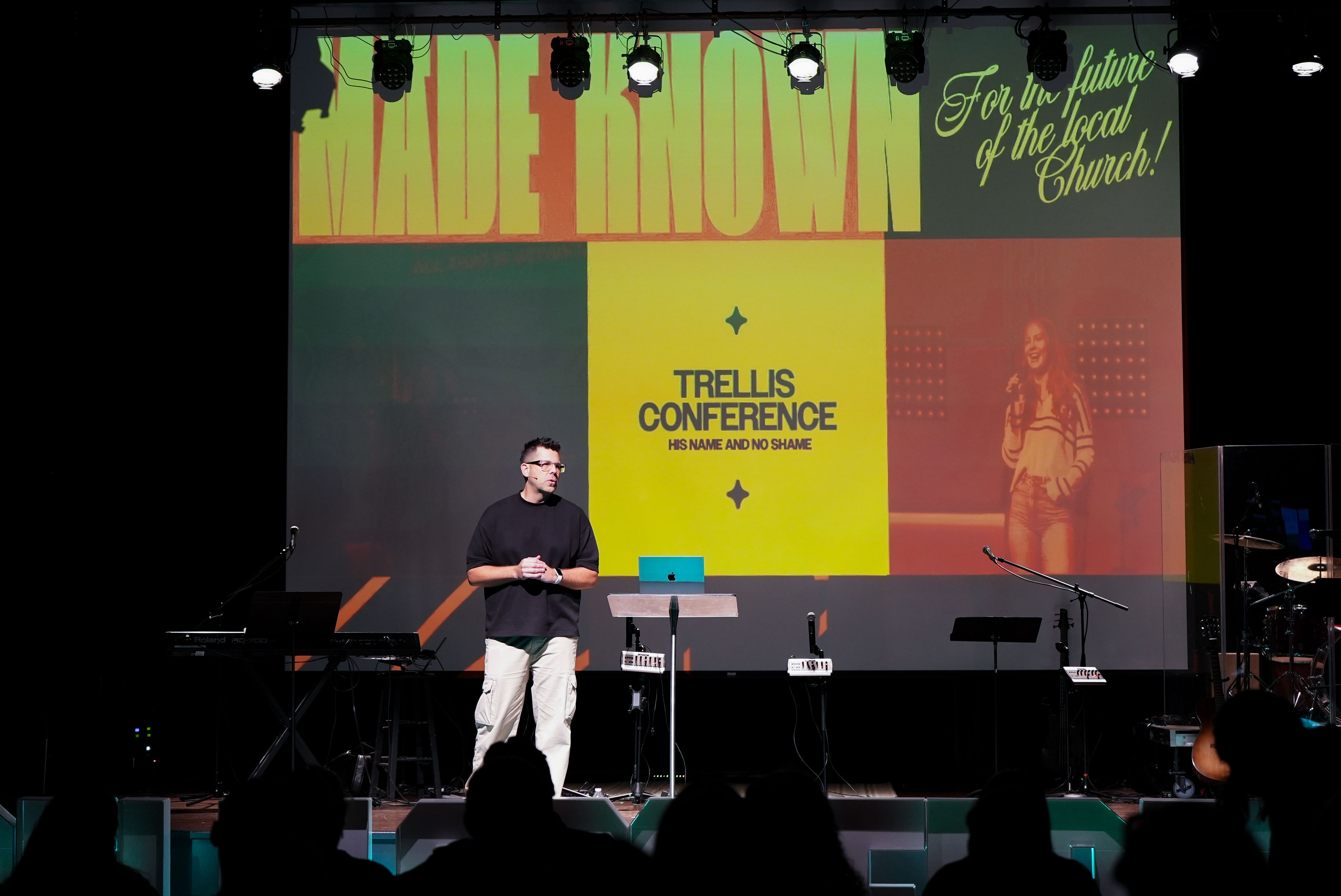
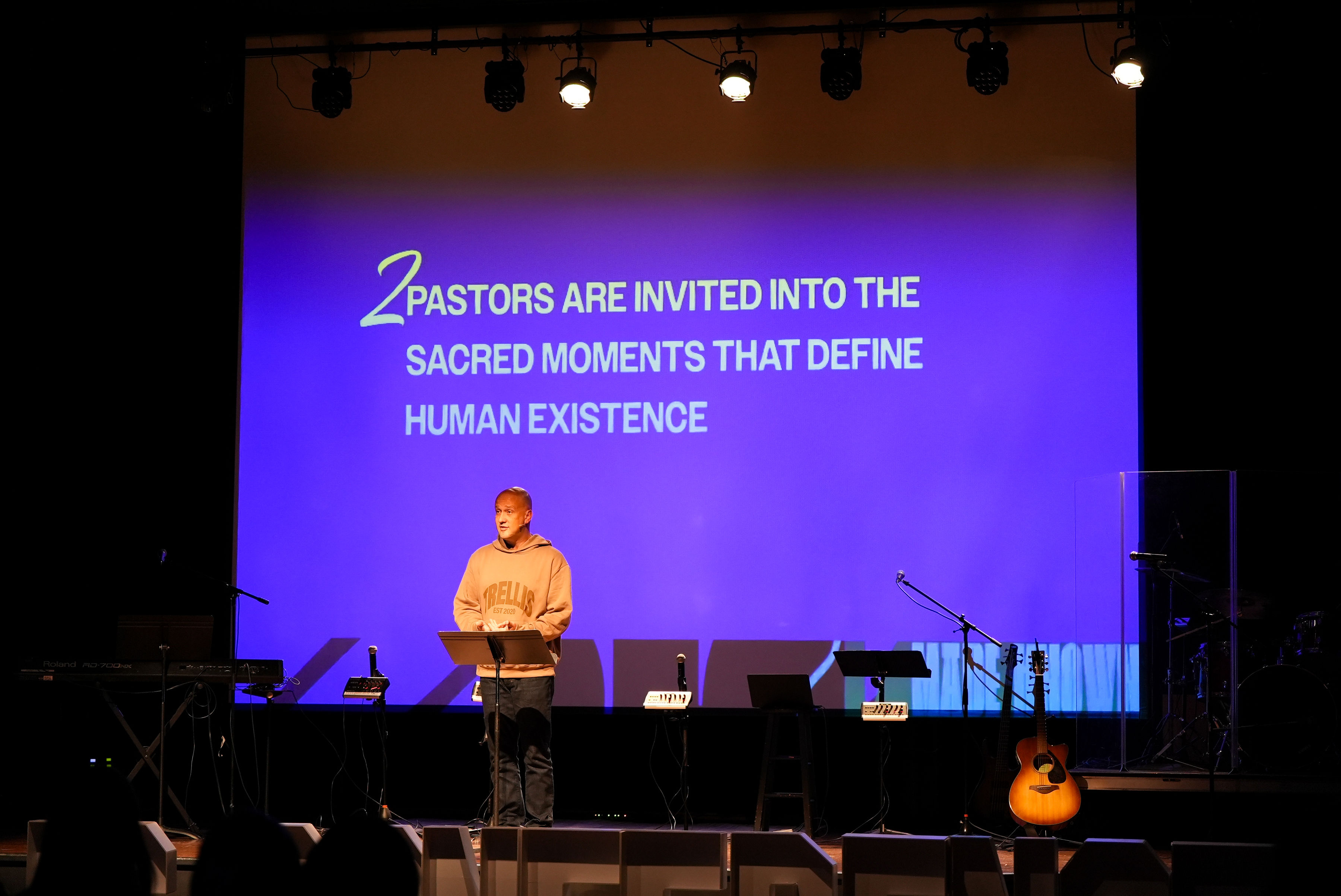
Did you know that nearly 50% of pastors will leave the ministry after five years? The importance of raising up future pastors is critical in countering this trend and ensuring a vibrant and thriving church community. As generations pass, the Church faces a challenge to nurture and equip the next wave of leaders who will guide congregations with vision and purpose.
In this blog post, we will explore the significance of mentoring future pastors, the benefits of providing hands-on ministry experiences, and how organizations like Trellis play a vital role in this process. We will also dive into actionable strategies for churches and communities to actively invest in pastoral leadership development, ensuring a legacy of spiritual guidance for the coming generations.
Understanding the Current Landscape of Pastoral Leadership
The role of a pastor is multifaceted, encompassing preaching, teaching, counseling, and community service. However, statistics tell us a different story: there are more pastors retiring and leaving the ministry than new leaders entering it. As younger generations seek to make an impact, it is our responsibility to empower them to step into these spiritual leadership roles.
One of the primary challenges facing contemporary churches is the disconnect between older leadership and the upcoming generation of potential pastors. A significant number of young people express a calling to ministry but lack the opportunities or guidance necessary to explore this path effectively.
The reality is, raising up future pastors requires intentional focus and investment from current church leaders. It is imperative that we pass the baton to those who will continue to lead and guide our congregations for years to come.
Bridging the Gap with Trellis
Organizations like Trellis are particularly well-positioned to facilitate the connection between seasoned pastors and those who feel called to ministry. Trellis is designed to bridge this gap by enabling students in ministry education to connect with experienced church leaders who can provide mentorship, training, and real-world pastoral experiences. This not only helps the students to engage deeply with their studies but equips them with the practical skills needed to thrive in their calling.
Through mentorship programs within the Hub Church framework, students can work alongside experienced pastors as they gain hands-on experience in a variety of ministry contexts. It is vitally important for these students to shadow seasoned pastors, learn from their experiences, and gain insight into the day-to-day challenges and rewards of church leadership.
By fostering a relationship between the called and the seasoned, Trellis encourages an environment where future pastors can ask difficult questions, seek guidance, and build confidence in their abilities to lead. It creates a safe space for accountability, spiritual growth, and community support that is essential for effective pastoral training.
The Importance of Mentoring Future Pastors
Mentoring is an invaluable tool in developing future leaders. Pastoral mentoring provides guidance on not just the essential functions of ministry, but also on the emotional and spiritual nuances that are often less discussed. Young leaders will benefit from their mentors’ stories, learning how to navigate difficult situations and develop their unique ministerial identity.
Moreover, mentoring contributes to a sustainable cycle of leadership development within the church. When seasoned pastors invest their time and wisdom into the upcoming generation, they help ensure that the church’s mission and vision continue to thrive, even as times change. This cyclical investment keeps the church dynamic and inclusive, as fresh perspectives are incorporated into its operations and outreach.
A Hands-On Learning Experience
For aspiring pastors, hands-on learning is crucial. Trellis emphasizes the significance of genuine, practical experiences that go beyond traditional classroom learning. By connecting with their Hub Church, students get to engage in worship services, community events, and outreach projects, allowing them to apply their academic knowledge in real-world environments.
By participating in these various church activities, students not only enhance their skills but also cultivate relationships within the congregation. Engaging in ministry contributes to building a support network that will be invaluable throughout their careers. These interactions allow future pastors to learn pastoral care practices, effectively preach messages, cultivate community, and take on leadership tasks—paving the way for their own successful ministries.
Actionable Strategies for Churches
Churches must recognize their responsibility in raising up future pastors. Here are a few actionable strategies that can be implemented to nurture the next generation of leaders:
1. Create Mentorship Programs: Formal mentorship initiatives should be created within churches to connect seasoned leaders with aspirants. Establish goals and beforehand expectations to maximize the mentoring relationship.
2. Offer Internships: Churches can provide structured internships for those considering ministry. These internships allow students to experience various aspects of church life, offering a practical framework for their calling.
3. Support Educational Growth: Churches can contribute to the education of aspiring pastors by investing in their tuition or offering scholarships for theological studies.
4. Encourage Participation in Leadership Roles: Actively engage young leaders in church administrative tasks or community outreach programs to help them hone their skills and gain confidence.
5. Provide Open Forums: Host monthly forums or discussions where upcoming leaders can meet with seasoned pastors to share ideas, discuss challenges, and seek clarity regarding their call.
The Future of Church Leadership
As we consider the future of our churches, it is imperative to remember the words of Paul in 2 Timothy 2:2: “And what you have heard from me in the presence of many witnesses entrust to faithful men, who will be able to teach others also.” The onus is upon us to raise future leaders who will continue the mission of the Church with integrity, wisdom, and compassion.
Trellis embodies this mission, actively working to connect students and mentors for a stronger, more impactful future in ministry. It is essential that we recognize the importance of our investment in pastoral leaders so that they may be effective in serving their congregations and communities.
So Now What?
To summarize, raising future pastors is crucial to the sustainability of our churches. Through effective mentorship, hands-on experiences, and intentional investment, we can ensure that the next generation of leaders is equipped to guide our spiritual communities.
If you want to learn more about how you can support future pastors or find out more about what it means to be a Hub Church, [Your Link Here]. Together, let's invest in the future of our faith communities and empower the new generation of church leaders to rise strong and confident.
Become a Guide for Future Pastors →